
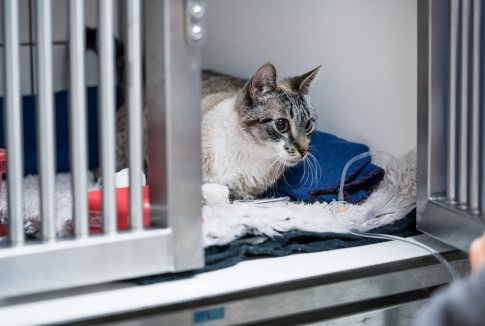
Community cats, often referred to as feral or outdoor cats, play a unique role in urban and rural environments. Managing their populations humanely is a top priority for animal welfare advocates. This is where Trap-Neuter-Return (TNR) comes in — a proven, compassionate method to control community cat populations while improving their quality of life.
What is Trap-Neuter-Return (TNR)?
Trap-Neuter-Return, commonly known as TNR, is a humane strategy used to manage and reduce the population of free-roaming community cats. The process involves safely trapping cats, transporting them to a veterinary clinic for spaying or neutering, vaccinating them against common diseases, and then returning them to their original outdoor territory.
Unlike traditional methods that involve euthanasia or removal, TNR focuses on stabilization and care. By preventing reproduction, the cat colony naturally decreases in size over time. This approach also reduces nuisance behaviors such as yowling, fighting, and spraying that are common in intact cats.
Why TNR Matters for Cats and Communities
- Population Control:
TNR helps control the cat population humanely, reducing the number of kittens born outdoors, which often face high mortality rates. - Improved Health:
Spaying/neutering and vaccinating cats during TNR procedures lower the spread of infectious diseases and improve individual cat health. - Behavioral Benefits:
Neutered cats tend to be less aggressive and territorial, which leads to quieter colonies and fewer conflicts with humans and other animals. - Cost-Effective:
TNR reduces the financial burden on animal shelters by decreasing the intake of community cats, many of which are not adoptable due to their feral nature. - Community Harmony:
Properly managed cat colonies are less likely to cause problems in neighborhoods, leading to better coexistence between people and cats.
How You Can Support TNR Efforts
If you encounter community cats in your area, consider supporting local TNR programs or volunteering with organizations that practice humane population control. Educating your community about the benefits of TNR also helps shift perspectives towards more compassionate solutions.
For animal shelters and rescue groups, integrating TNR into your services can significantly improve animal welfare outcomes and community relations. Platforms like Doobert provide tools to coordinate volunteers and streamline TNR logistics efficiently.
Final Thoughts
Trap-Neuter-Return is a critical, humane method that balances compassion with practical population control. By participating in or supporting TNR efforts, communities can foster healthier cats and more peaceful coexistence.