
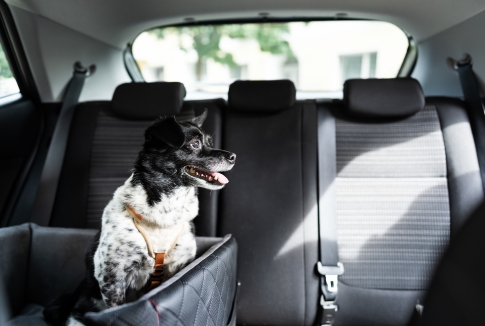
Transporting rescue animals is one of the most powerful ways to save lives—getting animals from overcrowded shelters to places where they have a better chance of adoption. But with every transport, safety must come first. Whether you’re moving animals across town or across the country, here’s how to make the journey safe, comfortable, and stress-free for your passengers.
1. Use the Right Crates and Carriers
Proper containment is crucial. Use sturdy crates that are well-ventilated, escape-proof, and sized appropriately for each animal. Cats and small dogs should be in hard-sided carriers, while larger dogs can be in crash-tested crates secured to the vehicle.
Label each crate clearly with the animal’s name, photo, destination, and emergency contact information.
2. Harnesses and Identification Save Lives
Every animal should wear a secure harness or collar with an ID tag, even if they’re in a crate. In case of an emergency or escape, proper identification can make the difference between lost and found.
Microchipping is highly recommended before transport—it’s a permanent form of ID that increases the chances of reunion.
3. Comfort is Key
Make the trip less stressful by lining crates with pee pads and soft bedding. Keep animals cool in summer and warm in winter. If the journey is long, schedule rest stops every 2–3 hours for fresh air, bathroom breaks, and feeding (as needed).
Avoid feeding animals immediately before travel to prevent nausea.
4. Coordinate with Trained Transport Volunteers
The success of animal transport depends on reliable, compassionate volunteers. Use trusted platforms like Doobert to find experienced drivers and plan detailed routes. Clear communication and hand-off instructions help ensure smooth transitions between legs of the journey.
5. Never Leave Animals Unattended in Vehicles
This cannot be overstated: animals should never be left alone in a vehicle. Temperatures inside can spike or drop quickly, even with the windows cracked. Always have a human present, and if you must stop, take turns stepping away while another volunteer stays with the animals.
6. Have an Emergency Plan
Unexpected delays, mechanical issues, or medical needs can arise. Carry a transport kit that includes:
- Extra leashes, harnesses, and ID tags
- Towels, gloves, and cleanup supplies
- First-aid kit for animals
- Printed transport list and emergency contact numbers
Be ready to reroute if weather, traffic, or other hazards come up.
Final Thoughts
Transporting rescue animals isn’t just logistics—it’s a lifeline. With the right tools, planning, and people, every journey can be a safe one. When lives are on the line, safety isn’t optional—it’s everything.
✅ Ready to make rescue transport easier?
Join Doobert today and access tools that connect shelters with volunteers, streamline logistics, and help more animals get to safety, faster.
👉 Sign up on Doobert and become part of the life-saving network.